


Today, supply chains work across many systems, partners, and networks around the world. To handle this level of complexity, you need more than just standard monitoring tools. Companies now use digital platforms that can collect, process, and analyze supply chain data in real time.
This change has made supply chain tracking software an important part of how businesses work today. Businesses don’t have to wait for updates or write reports by hand anymore. They can now get data all the time from their supply chain.
Real-time supply chain tracking helps businesses get quick insights, spot problems early, and better manage how well their supply chain works.
The Growing Importance of Supply Chain Tracking
Supply chains today operate through multiple digital systems rather than isolated processes. Multiple platforms, partners, and data sources must work together to support efficient operations.
Without reliable supply chain tracking, organizations often face limited visibility into their operational workflows and decision-making processes.
Advanced supply chain visibility software and real-time tracking solutions give businesses a single view of all their supply chain data. From a single interface, these platforms let businesses keep an eye on their operations, system performance, and supply chain events.
This level of visibility supports faster decision-making and improves coordination across supply chain stakeholders.
How Technology Supports Real-Time Supply Chain Tracking
Modern real-time supply chain tracking methods now use many digital technologies. These technologies help businesses gather accurate operational data, connect different systems, and create open supply chain environments.
1. Internet of Things (IoT) for Real-Time Data Collection
IoT devices connect physical infrastructure to digital systems, which lets companies automatically gather data about how their operations are going. These connected devices generate continuous information that supports real-time asset tracking and supply chain operations.
Businesses can easily see how their supply chain is doing when IoT technology and supply chain tracking software work together. This helps them remember what they need to do, see how things are going, and keep track of everything.
2. GPS Technology for Real-Time Location Intelligence
GPS technology allows organizations to monitor operational movement across distributed supply chain networks. This technology provides continuous location data that supports better visibility and planning.
GPS systems help businesses keep track of operational flows, monitor system activity, and improve supply chain coordination when they are used with real-time tracking supply chain visibility platforms.
3. RFID Technology for Automated Data Capture
RFID tags allow systems to identify and record operational activity automatically. This technology minimizes manual data entry and helps maintain more accurate supply chain records.
When combined with supply chain tracking software, RFID solutions strengthen operational transparency and support reliable real-time supply chain tracking methods.
4. Cloud Platforms for Scalable Supply Chain Systems
Cloud-based systems let companies store all of their supply chain data in one place and make it available to many departments and stakeholders.
Cloud platforms let businesses connect different systems, handle a lot of data, and create supply chain tracking environments that can grow with their needs.
5. Artificial Intelligence and Predictive Analytics
Traditional systems mainly keep an eye on activity. AI-driven platforms, on the other hand, look at a lot of supply chain data to find patterns, risks, and performance trends.
Predictive analytics can help organizations anticipate operational disruptions, improve planning, and support data-driven decision-making.
When integrated with real-time tracking supply chain visibility systems, AI technology enables organizations to move from reactive management to proactive supply chain optimization.
Top Dashboards for Supply Chain KPIs and Real-Time Tracking
Data visualization plays a key role in managing modern supply chain systems.
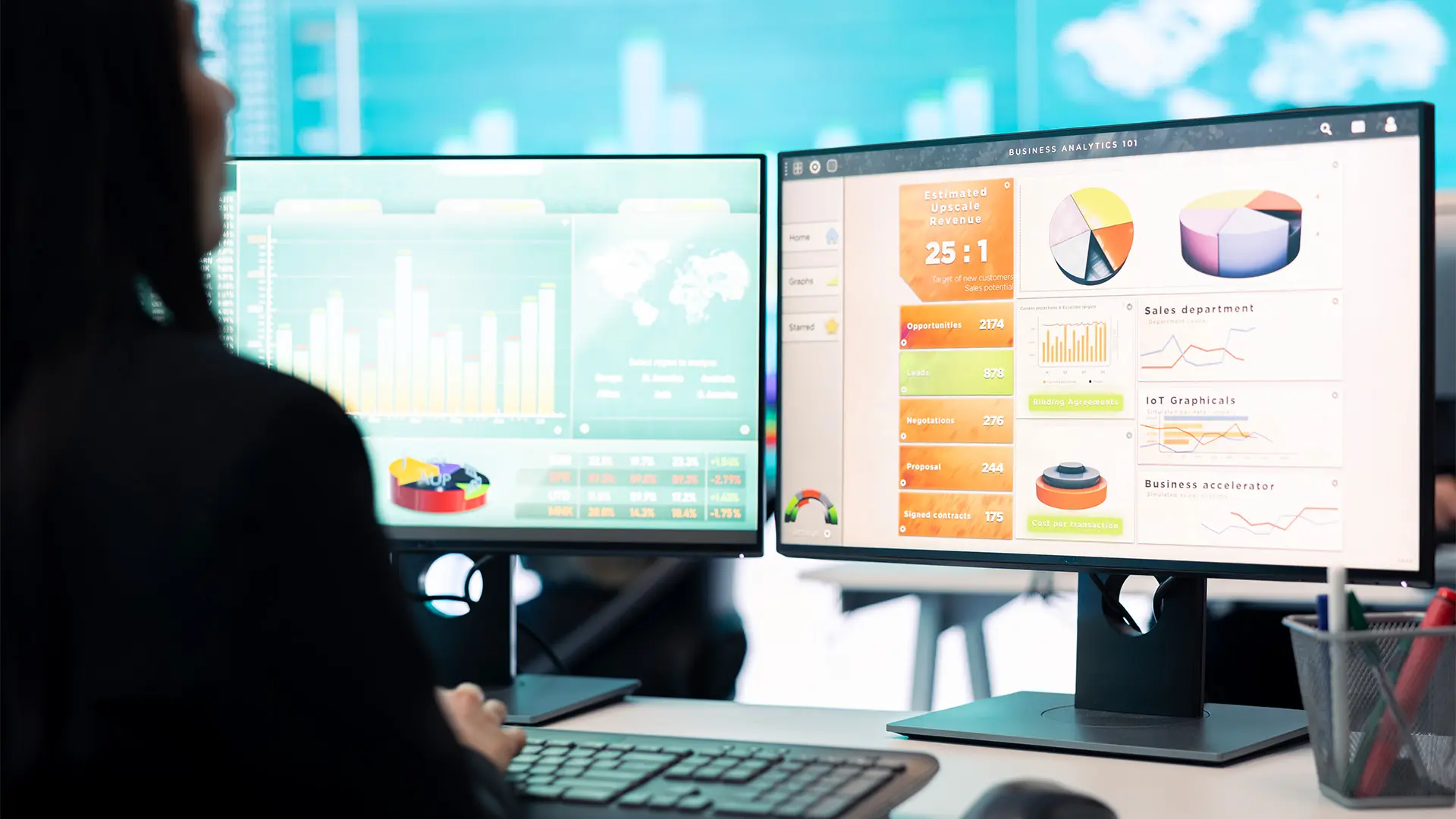
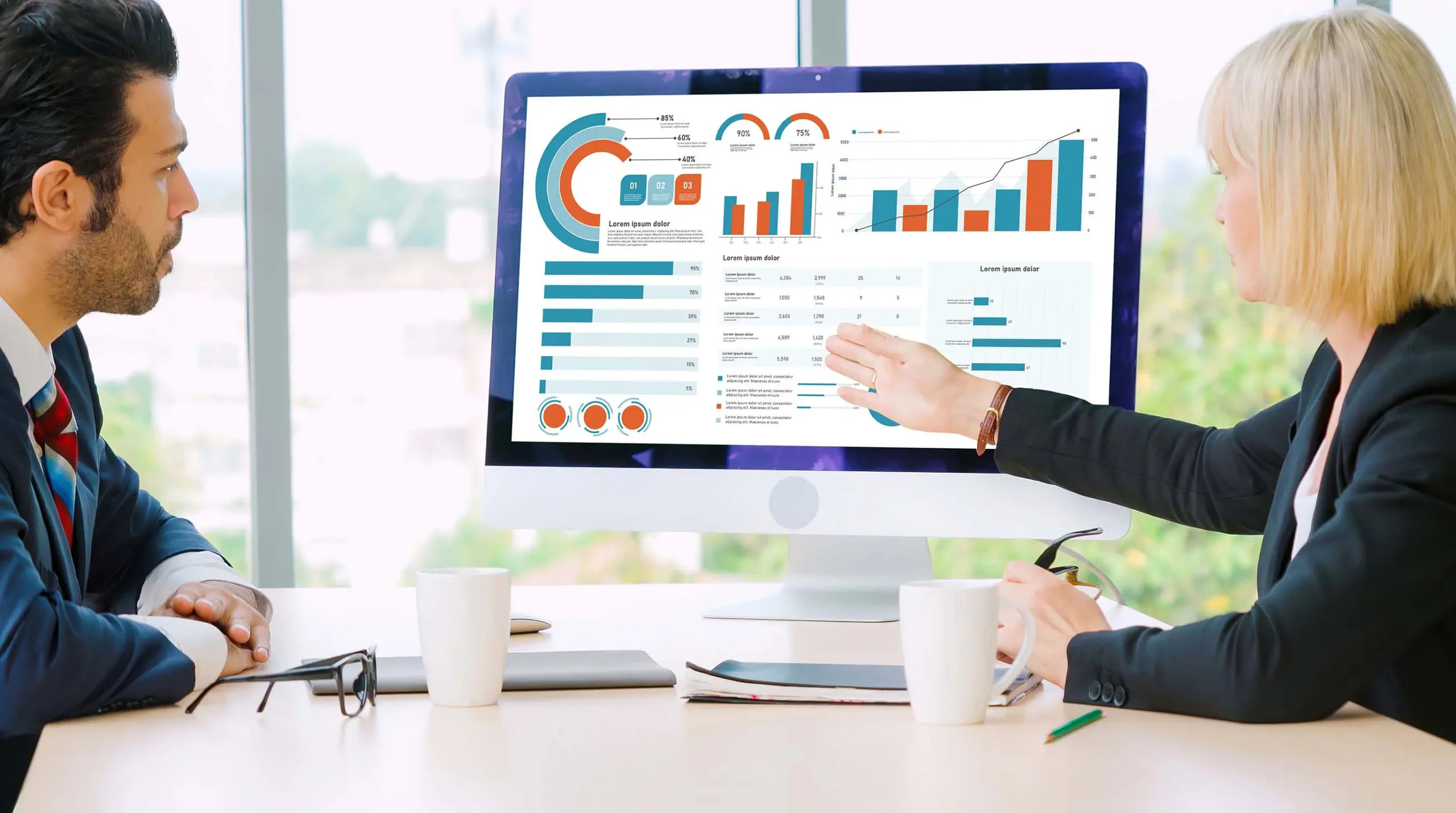
Many organizations now rely on top-rated dashboards for supply chain KPIs and real-time tracking to monitor operational performance. These dashboards bring supply chain data into one place and display it in a way that is easy for teams to understand.
Typical dashboards may display:
- Operational performance indicators
- System activity and tracking data
- Real-time supply chain events
- Inventory and operational metrics
- Alerts for disruptions or exceptions
By combining analytics and visualization, dashboards improve real-time tracking, supply chain visibility, and support faster decision-making.
Business Benefits of Real-Time Supply Chain Tracking
Companies that buy modern supply chain tracking software get a number of strategic benefits.
Improved Operational Visibility
Real-time tracking systems allow organizations to access accurate operational data across their supply chain networks.
Faster Decision-Making
Continuous monitoring enables teams to detect disruptions early and respond more quickly.
Data-Driven Planning
Businesses can use advanced analytics to study performance patterns and find better ways to improve their operations.
Higher System Efficiency
Automated tracking technologies reduce manual processes and improve operational accuracy.
Together, these benefits allow organizations to build more intelligent and resilient supply chain systems.
Conclusion
As supply chain networks continue to evolve, organizations need advanced digital solutions to maintain visibility and operational control. Technologies such as IoT, AI, RFID, GPS, and cloud platforms are transforming how businesses implement real-time supply chain tracking and manage complex supply chain systems.
Organizations looking to modernize their operations can benefit from technology-driven solutions such as custom software development, cloud architecture, AI-powered analytics, and enterprise platforms built around advanced supply chain tracking software.
Working with experts in custom software development allows businesses to design intelligent tracking platforms that deliver real-time supply chain visibility, scalable infrastructure, and long-term operational efficiency.
FAQs
What is real-time supply chain tracking?
Using digital tools like IoT devices, GPS systems, and cloud platforms, real-time supply chain tracking lets businesses keep an eye on supply chain activities all the time. These tools give businesses real-time data that helps them keep track of and control their operations.
How does supply chain tracking software work?
Supply chain tracking software collects operational data from multiple systems and technologies. The software analyzes this data and presents it through dashboards and analytics tools, helping organizations monitor supply chain performance and make better decisions.
What technologies support real-time supply chain tracking?
Technologies such as IoT sensors, GPS tracking, RFID systems, cloud platforms, and artificial intelligence help businesses enable real-time supply chain tracking. These technologies work together to improve supply chain visibility and operational efficiency.
Why is real-time supply chain tracking important?
Real-time supply chain tracking helps businesses see what’s going on in their operations better, find problems sooner, and make decisions more quickly. It also helps supply chain networks work together better.
