




In today’s fast-moving digital environment, each minute counts.
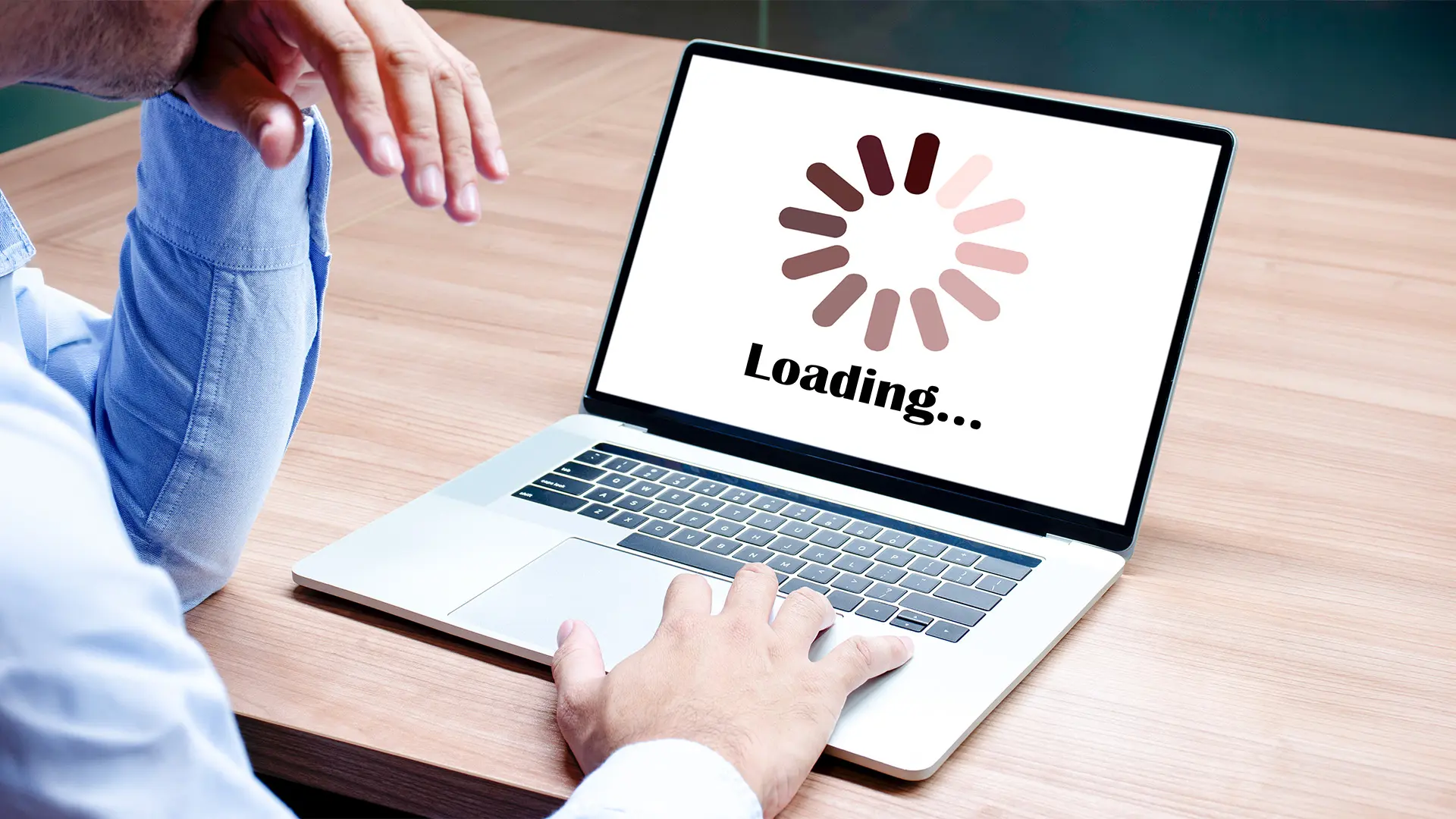
Whether it is for running an e-commerce site, showcasing a personal portfolio, or operating a website for service provision, slow performance on the site can quietly yet profoundly affect one’s revenue. The impacts include a negative user experience, lost opportunities, and lower search engine rankings.
This blog delves into how extended load times affect user behavior and sales while providing strategies to improve page speed and enhance SEO.
Why Speed Matters: Users Are Impatient
Modern users have zero tolerance for slow performance online:
- Nearly 47% of people expect a webpage to load in 2 seconds or less.
- If a page takes longer than three seconds to load, more than half of mobile visitors are likely to leave.
- Slow websites see higher bounce rates, damaging engagement and conversions.
In an age where people can swipe through apps or tap on another tab, a slow website loading instantly introduces friction. When users get frustrated, they bounce, meaning they leave your site before taking any action. This can significantly impact both engagement and conversions.
Impact on User Experience (UX)
User experience (UX) goes beyond aesthetics and content; performance drives it. And when your WordPress website is loading slowly, or the overall site takes too long to render, users feel it instantly.
1. Higher Bounce Rates
When a site loads slowly, most users would not stay on the page long enough to even see your offer. According to studies, a 53% abandonment rate happens when the load time exceeds 3 seconds on mobile.
That means prospects don’t scroll, don’t explore, and ultimately, they don’t convert.
2. Poor Perception & Trust
Speed is the first impression of your brand. Sites that are slow are seen as unprofessional and not reliable, which creates distrust. This, in turn, impacts user behavior. Most importantly, it impacts their chances of consuming your content or purchasing your product.
3. Lower Engagement
The time taken to load a website implies that people are interacting less with the website. This implies that the more they wait for the site to load, the shorter their attention span gets.
Impact on Sales & Conversions
Slow site speed doesn’t just frustrate users; it directly impacts revenue.
1. Direct Conversion Loss
A 1 second delay can reduce conversions by up to 7% in e-commerce, which can equal millions in lost annual revenue.
For example, every extra second of load time can shave off a chunk of sales your store would have made, even before your visitor sees your product.
2. Opportunity Cost on Page Views
A slow page doesn’t just lose conversions, it loses page views and the opportunity to lead users through your funnel. Less time on site means fewer page visits and less exposure to your offers.
3. Cart Abandonment
Slow checkout pages are a major contributor to abandoned carts. When users face delays during purchase processes, they often leave.
SEO: Slow Speed Hurts Your Rankings Too
Website performance isn’t just a UX issue; it’s an SEO issue.
Search engines like Google use page speed and related metrics (Core Web Vitals) as ranking factors. Slower sites often rank lower in search results, meaning less organic traffic, which leads to fewer leads and sales.
Here’s how speed affects SEO:
- Pages that load faster seem to rank better, as they provide a better user experience.
- Google places significant importance on the performance of mobile sites in its search results because its “mobile-first
- Sites that have a lower page load speed may suffer from reduced visibility, impressions, and even clicks.
This leads to a vicious circle: slow speed → bad user experience → lower search engine rankings → lower traffic → lower sales.
Common Mistakes That Slow Down Websites
If your site is running slow, the cause is usually one (or more) of the following common culprits:
1. Large Images Not Optimized
Poor page loading is usually caused by heavy, uncompressed images. Optimizing them (e.g., using WebP format) can cut load times.
2. Too Many HTTP Requests
Every element on your page (scripts, styles, images) adds to load time; reducing unnecessary files improves speed.
3. No Caching or Poor Hosting
If your site doesn’t cache and isn’t with a high-performance host, the server has to generate that content from scratch each time, resulting in slower delivery.
4. Bloated Scripts & Plugins
Especially for WordPress sites, too many plugins or poorly coded themes can drag performance to a crawl.
5. Missing Compression and CND
Not using compression (Gzip/Brotli) or a Content Delivery Network (CDN) means global users load your site more slowly.
How to Check the Load Time of Your Website
Before optimizing, you need to measure your site’s performance. Here are the most reliable tools to test load time on a website and diagnose issues:
- Google PageSpeed Insights — provides detailed breakdowns and improvement suggestions.
- GTmetrix — visual waterfall reports and performance grades.
- WebPageTest.org — in-depth measurements across regions and devices.
- Pingdom Tools — quick performance tests with easy-to-read results.
Regular testing helps you track improvements and catch regressions early — especially after design changes or content updates.
How to Improve Speed: Page Speed Optimization for SEO
Here are some steps to take to improve your website’s performance and achieve both UX and SEO success:
1.Compress Resize Images
Use tools like image plugins to compress images without loss of quality.
2. Enable Caching
Browser caching and server caching minimize the load times for returning visitors.
3. Use a CDN
Make your site visible worldwide to ensure users are accessing your content off a server that is closest to them.
4. Minify CSS & JavaScript
Shred out unnecessary code to minimize the overhead.
5. Choose Better Hosting
Faster server or managed hosting service with optimization tools.
Every improvement, including minor ones such as saving fractions of a second, may represent substantial differences with respect to participation or revenue.
In an environment where the attention span is short and the competition is high, a slow site is not only a flaw from a technical standpoint but also a risk from a business standpoint. Not only do slow speeds contribute to high bounce rates and lower conversions, but they can also negatively impact SEO and cost an online store money. Whether the WordPress site is slow or the online store is lagging behind the competition, site speed must be a focus.
Invest in page speed optimization for SEO as a fundamental strategy to improve UX, boost trust, increase conversions, and grow sales.
Don’t let slow performance silently damage your business growth.
Partner with Silverxis, the experts in performance optimization and UX-driven SEO. From detailed load time audits to custom solutions that make your site fast, smooth, and conversion-ready, Silverxis turns slow sites into revenue engines.
Contact Silverxis today and get a free speed audit that reveals exactly what’s slowing you down, and how to fix it for good.
FAQs
Is custom software better than off-the-shelf?
If your needs are unique or you want a competitive edge, yes. Custom software adapts to you, whereas you must adjust to off-the-shelf tools.
How long does the development process take?
A typical project can range from 3 to 9 months, depending on complexity. We focus on delivering value in phases so you can start seeing impact early.
Will I own the source code?
With SilverXis, absolutely. You retain 100% ownership of the Intellectual Property (IP).
